
Reiki is a Japanese alternative healing practice that involves the channeling of energy to promote relaxation, stress reduction, and overall well-being. The word “Reiki” is often translated as “universal life energy.” Reiki is all about using your good intentions and positive energy to help people feel better, calm and happier.
What happens in a Rekhi session?
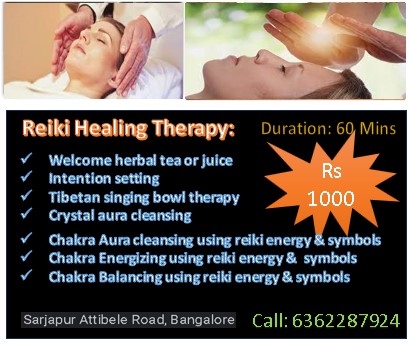
In a typical Reiki session, you’ll start by lying down fully clothed on a massage table in a quiet, calming space. The Reiki practitioner, who is trained in the method, might talk to you briefly about any specific issues or areas of stress you want to focus on, like physical pain or emotional stress.
The session then begins with the practitioner placing their hands gently on or just above different parts of your body, usually starting at your head and moving down toward your feet. The touch is light and non-intrusive, and in some cases, they might not touch you at all but instead hover their hands over areas where they sense an energetic need. The practitioner’s hands stay on each area for a few minutes, depending on what they feel intuitively or what they’re trained to sense.
During the session, many people report feeling warmth or a gentle tingling in the areas where the practitioner’s hands are. Sometimes people experience a deep sense of relaxation, almost like a meditative state or gentle sleep. You might also feel waves of energy, or nothing at all—it’s a personal experience and varies widely. Some people even experience an emotional release, like a sudden feeling of lightness or calm.
The practitioner believes they’re channeling energy to clear any “blocks” in your energy flow, areas that might be weighed down by stress, pain, or emotional difficulties. They aren’t diagnosing or treating specific illnesses but are helping to balance and support your body’s natural ability to heal and relax.
When the session ends, the practitioner will gently let you know, and you can take a moment to sit up slowly. You might feel deeply relaxed, like you just woke up from a nap. Some people find that their mental and emotional clarity improves, they sleep better, or feel less pain or stress after a session. Reiki is often used alongside other forms of wellness or healing practices to support overall well-being.
What are the benefits of a Rekhi session?
People who receive Reiki often report feeling more relaxed, less anxious, and better able to cope with physical or emotional issues. It’s commonly used as a complementary therapy alongside conventional medical treatments.
 Healing Aromatherapy